Professional Tips for Beneficial Tree Trimming Services
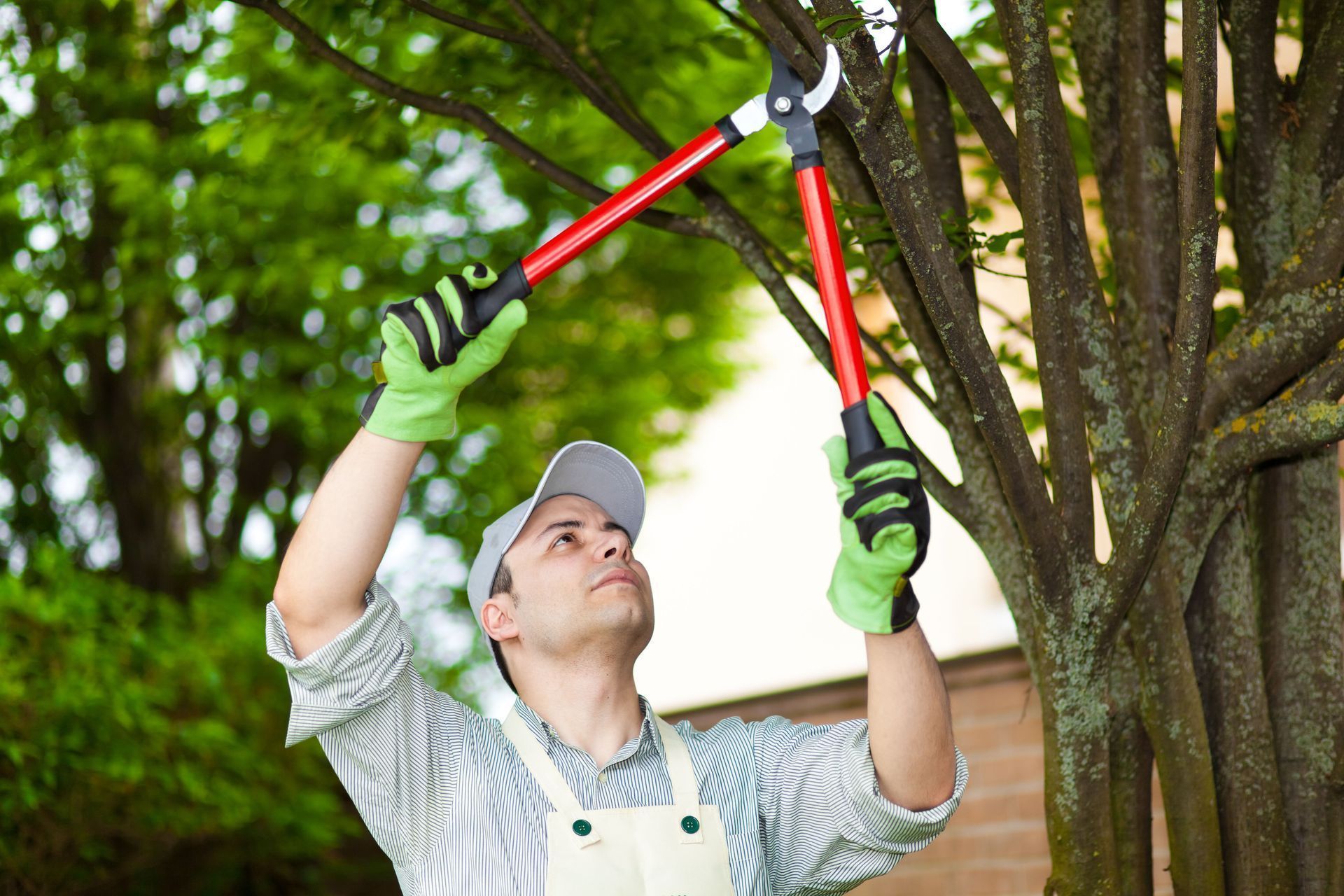
Maintaining a vibrant, visually appealing landscape often requires more than routine lawn care and seasonal plant maintenance. Trees, which serve as foundational elements of residential and commercial properties, demand ongoing attention to support their longevity, safety, and structural strength. Although many homeowners notice trees only when visible issues arise, the proactive care of these living assets contributes significantly to the overall health and functionality of outdoor environments. Regular tree trimming helps sustain growth patterns, prevent disease, and avoid hazards that can threaten property and personal safety. When managed with skill and professional oversight, this practice creates a healthier, more resilient landscape that continues to provide shade, beauty, and ecological benefits year after year.
Promoting Long-Term Tree Health
The health of a tree is influenced by a wide range of environmental factors, including soil conditions, pests, weather patterns, and access to sunlight. When branches become overcrowded, damaged, or diseased, the tree struggles to deliver adequate nutrients and water throughout its structure. Integrating tree trimming into a landscape maintenance routine supports better air circulation and sunlight exposure, allowing the tree to function more efficiently. Even small pruning adjustments help redirect stored energy from weak or unnecessary growth to areas where it can be used more effectively.
Trimming also reduces the risk of disease spreading through a tree. When branches die or decay, they can harbor fungi and insects that threaten the tree’s internal structure. Removing these compromised areas early helps prevent wider damage, minimizing the likelihood of needing future tree removal or intensive restoration. According to Bob Vila, mature trees should be trimmed every three to five years, while younger trees generally require trimming every two to three years. This guideline demonstrates that preventive care is not merely aesthetic; it is a strategic approach to sustaining healthy growth cycles and protecting the long-term integrity of the landscape.
Improving Safety and Preventing Property Damage
Trees provide shade, privacy, and natural beauty, but their size and weight also mean that neglected branches can pose serious risks. When large limbs grow too close to rooftops, windows, or utility lines, they threaten structural damage and potential power interruptions. Regular tree trimming serves as a preventative measure, ensuring that branches are maintained at safe distances from buildings and overhead systems.
During storms, heavy winds and precipitation increase the risk of limbs breaking and falling. Even small branches have the potential to cause injury or significant property damage. By ensuring that weak, dead, or overextended branches are removed, property owners reduce the likelihood of emergencies. For properties located in climates with strong seasonal storms or heavy snowfall, preventive trimming becomes especially important in safeguarding against storm-related hazards.
Professional trimming also helps maintain clear pathways for walking and driving areas. Overhanging branches can obstruct sightlines, create uneven lighting, and introduce debris onto sidewalks, driveways, and entryways. Addressing these concerns before they become problematic contributes to a safer, more navigable environment for residents and visitors.
Enhancing Landscape Appearance and Aesthetic Harmony
The visual appeal of a well-maintained landscape depends on proportion, balance, and structure. Trees that are allowed to grow unchecked may become misshapen or uneven, disrupting the harmony of the surrounding environment. Thoughtful application of pruning techniques can restore balance to a landscape by refining the tree’s natural silhouette and supporting a visually pleasing form. Whether the desired style is structured and formal or relaxed and natural, properly shaped trees elevate the overall aesthetic of the yard.
Pruning encourages deliberate branch spacing, height shaping, and canopy refinement, which collectively enhance curb appeal. Landscapes with well-maintained trees are often perceived as more inviting, organized, and cared for, contributing to increased property value. This is particularly pertinent for homeowners planning to sell or renovate, as healthy and attractive trees create a positive first impression for prospective buyers and visitors.
Beyond aesthetics, selective cutting allows more sunlight to reach lawns, gardens, and walkways below. Increased exposure to natural light benefits flowerbeds, shrubs, and groundcover plants, promoting stronger and more vibrant growth throughout the landscape. In turn, this creates more visual cohesion across outdoor spaces, helping every element of the yard feel connected. Maintaining the structure and balance of trees ultimately supports both the beauty and vitality of the surrounding environment, reinforcing a sense of intentional design and long-term care.
Supporting Healthy Growth Through Structural Development
When trees are young, the guidance they receive through trimming helps shape their long-term structural integrity. Early pruning encourages strong trunk formation and balanced branch distribution. Without structured shaping at a young age, trees may develop multiple competing central leaders or poorly angled branch unions that weaken the overall framework. These weaknesses can create complications later in life, including an increased risk of splitting or storm-related breakage. By establishing proper shape and balance early, trees are better equipped to withstand wind pressure, seasonal weight from snow, and natural aging.
Even for older trees, periodic evaluation and trimming sustain structural soundness. Removing excess canopy weight reduces stress on branch joints and lowers the likelihood of splitting, cracking, or unexpected failure. This maintenance also prevents overly dense canopies, which can restrict airflow and lead to moisture buildup—conditions that promote fungal growth and insect presence. Maintaining open spacing within the canopy supports healthier circulation and reduces environmental stress.
Working with professional tree care specialists provides additional value in this process. Certified experts assess the species, age, environment, and structural characteristics of each tree to determine a personalized approach. Their training ensures that cuts are placed with precision, encouraging healthy regrowth and minimizing shock to the tree. This expertise helps preserve both the immediate stability and the long-term resilience of the landscape.
Reducing Future Maintenance Costs and Extending Tree Lifespan
Regular maintenance reduces the likelihood that more intensive or costly interventions will be required later. When issues such as disease, infestation, or structural weakness are identified early, they can often be resolved with minimal impact on the tree. Without proactive care, these issues may progress to the point of requiring tree removal, stump grinding, or repair of nearby property structures.
Investing in tree trimming helps extend the natural lifespan of the tree. Healthy trees provide shade that regulates outdoor temperatures, improve air quality, and contribute to local ecosystems by supporting birds, insects, and other wildlife. Keeping trees healthy ensures that these benefits continue for many years, contributing to environmental and community well-being.
Professional tree service providers who handle trimming also frequently offer complementary support, including tree removal, stump grinding, seasonal maintenance, storm damage response, canopy thinning, roofline clearing, and deadwood removal. Access to a full-service provider ensures continuity of care and tailored maintenance strategies across changing weather conditions and seasonal needs. Many businesses also provide scheduling flexibility, emergency response availability, price matching, and customer satisfaction guarantees, helping homeowners maintain their landscapes with confidence.
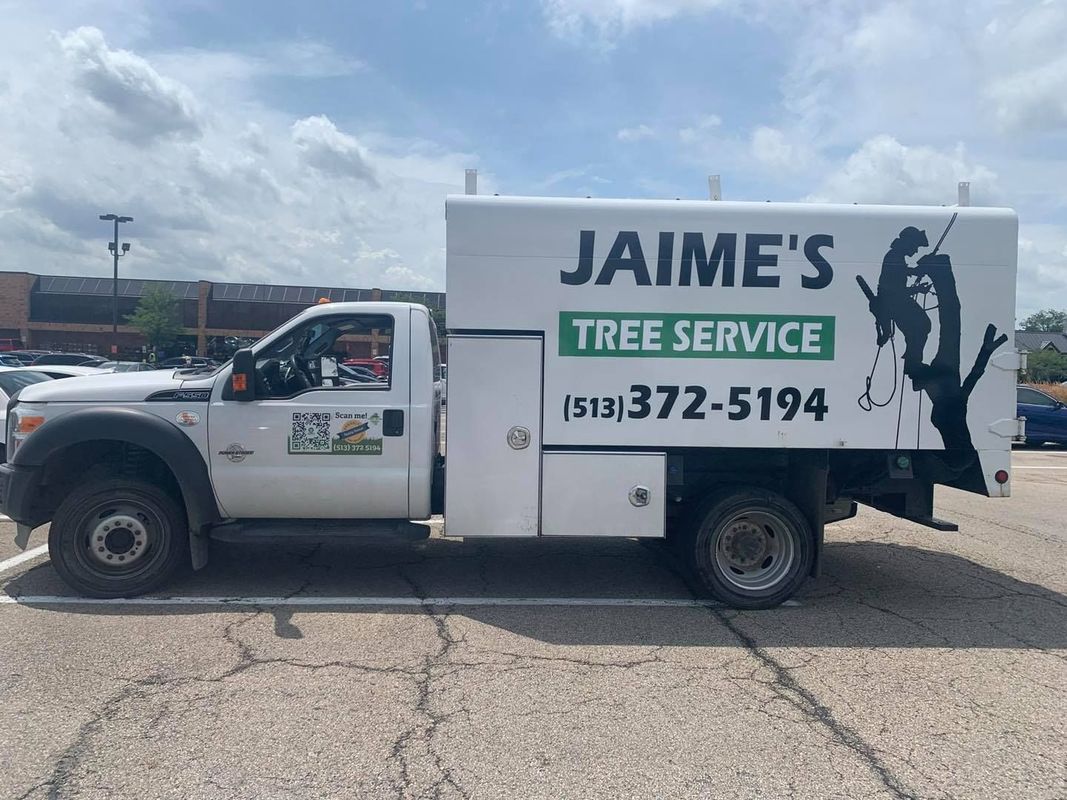
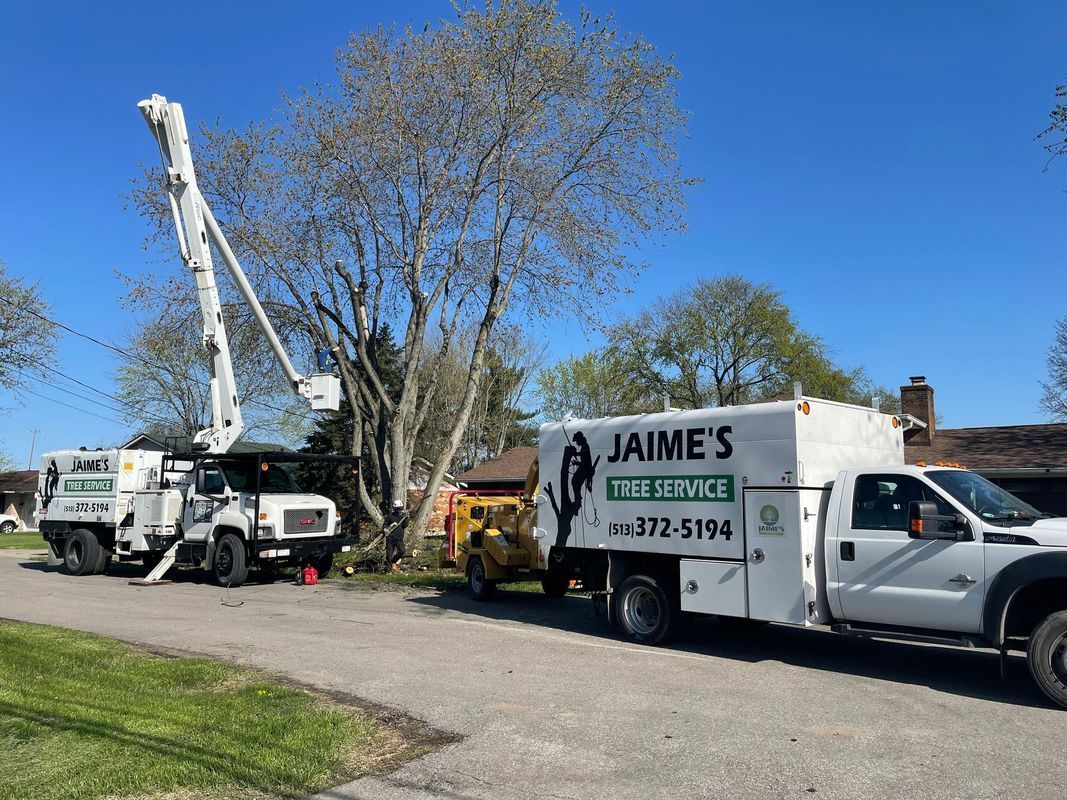
Regular maintenance of trees plays a crucial role in supporting safe, attractive, and ecologically balanced landscapes. Integrating tree trimming into routine care programs helps ensure that trees remain healthy, structurally secure, and visually appealing. By preventing disease, reducing hazards, enhancing growth, and preserving the natural beauty of outdoor spaces, trimming supports both immediate and long-term landscape goals. With knowledgeable, skilled professionals providing guidance and services, property owners can maintain thriving trees that continue to enrich their environment for years to come. Call Jaime's Tree Service Inc. today to schedule your tree care or removal service.