What to Expect When Hiring Tree Removal Services
Tree removal is more than just cutting down a tree; it’s a complex process that requires careful planning, skill, and precision. Many homeowners underestimate the importance of professional services when dealing with trees that are overgrown, diseased, damaged, or simply in inconvenient locations. A large tree may appear manageable from the ground, but even moderate miscalculations can result in property damage, injury, or environmental disruption. Professional tree removal services are designed to mitigate these risks, combining expertise, specialized equipment, and experience to ensure that the process is safe, efficient, and minimally disruptive to your property. From the initial assessment to the final cleanup, every stage of tree removal is carefully orchestrated, allowing homeowners to maintain both safety and the aesthetic integrity of their landscapes.
Trees contribute significantly to a home’s appearance and value, but when a tree is dead, dying, or structurally unsound, it can pose threats that outweigh its benefits. Hiring professionals ensures that the tree is evaluated correctly, risks are identified, and the safest methods are applied to remove it. The process includes comprehensive planning, execution using advanced tools and techniques, and post-removal restoration of the surrounding environment. Understanding what to expect from tree removal services empowers homeowners to make informed decisions, aligning property goals with safety and environmental considerations.
Evaluating Tree Health and Stability
Before a tree is removed, a professional arborist will evaluate its overall health and structural stability. A tree might show visible signs of decay, disease, or insect infestations that compromise its structural integrity. For example, a large branch may appear sound but could be hollow inside, or fungal growth on the trunk may indicate deep rot. Professionals examine these indicators carefully, as trees that seem stable can sometimes fail under minimal stress. The assessment includes examining the roots, trunk, and canopy, as well as evaluating how the tree interacts with its environment.
Understanding the health of a tree allows arborists to determine whether partial pruning, bracing, or complete tree removal is the safest course of action. Trees that are diseased or have extensive internal decay often require careful sectional removal to prevent accidents. Additionally, evaluating stability helps professionals anticipate potential challenges during removal, such as uneven weight distribution, lean angles, or weak branches. By addressing these factors, homeowners gain peace of mind knowing that tree removal is planned with both safety and efficiency in mind.
Identifying Risks and Planning for Safety
Tree removal carries inherent risks, and professional services focus heavily on safety. A tree located near a house, garage, fence, or power line presents a higher level of complexity. Even moderately sized trees can cause serious damage if they fall unpredictably. Arborists identify potential danger zones around the tree, such as areas where limbs may fall or where the trunk could impact structures. This planning process involves careful measurement, assessment of ground stability, and consideration of weather conditions that may affect the operation.
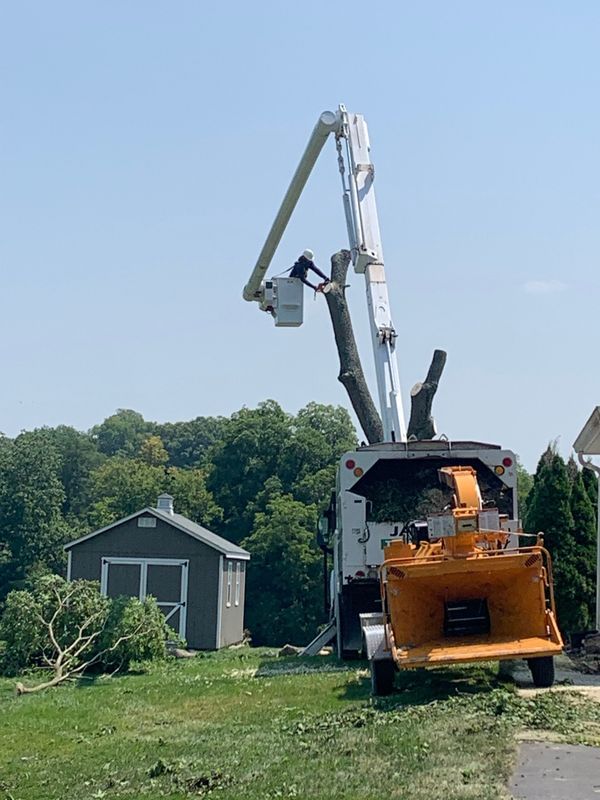
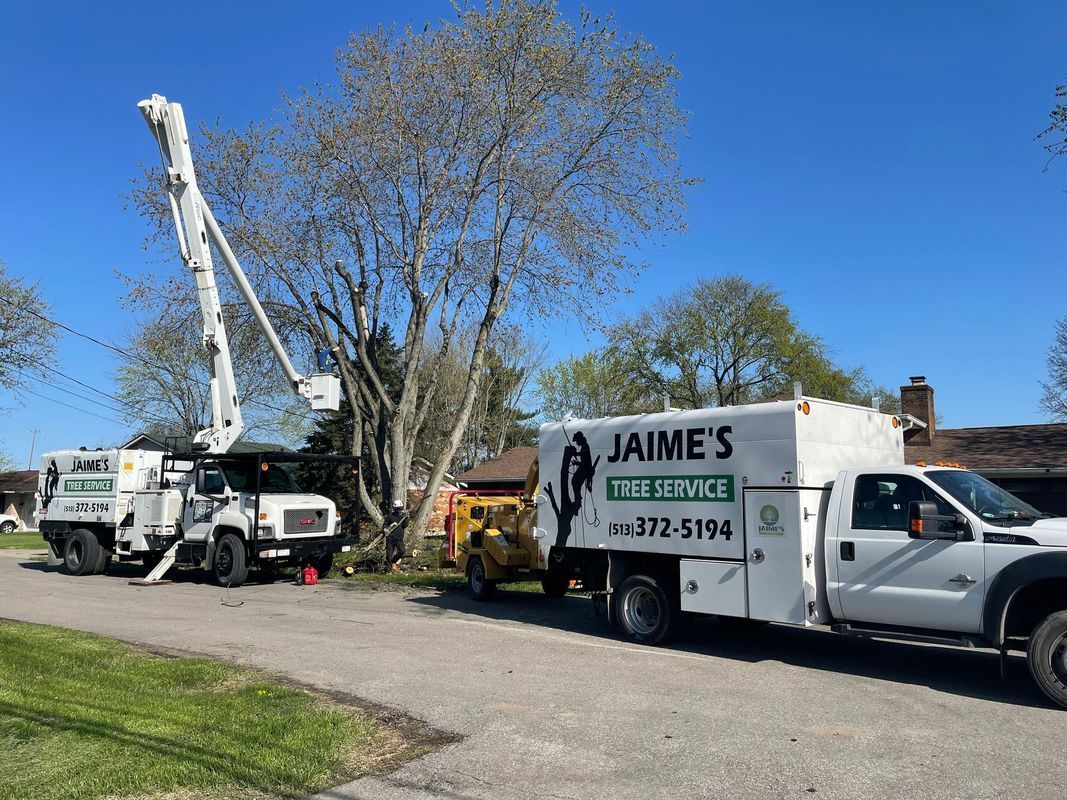
Depending on the tree’s location and surrounding environment, specialized equipment may be used. For instance, crane-assisted removal allows sections of a large tree to be lifted away safely, while ropes and pulleys can guide branches to the ground with precision. Professionals also set up protective barriers and coordinate work zones to ensure the safety of residents and neighbors. This proactive approach minimizes risks while maintaining efficiency, reflecting the level of expertise that makes professional tree removal indispensable. Proper planning also considers environmental factors, ensuring minimal disturbance to nearby plants, soil, and wildlife.
Selecting the Right Tree Removal Service
Choosing a qualified tree removal provider is essential for achieving a safe and successful outcome. It is important to verify credentials, such as licenses, certifications, and insurance coverage. Licensed arborists follow established industry standards and are trained to handle both common and complex tree removal scenarios. Reviewing past work, client testimonials, and portfolio photos provides additional insights into the company’s experience and reliability.
A reputable tree removal service offers a range of complementary services beyond cutting the tree. These may include stump grinding, pruning, debris removal, and emergency response. Understanding the full suite of services helps homeowners select a provider capable of addressing both immediate removal needs and long-term landscape maintenance. Cost is another factor, but it should be balanced against quality, safety, and experience. Investing in skilled professionals ensures that the tree removal process is conducted efficiently and with minimal risk, ultimately protecting both property and surrounding landscapes.
Scheduling and Preparing for Removal
Once a provider is selected, scheduling the tree removal and preparing the site becomes the focus. A professional team will often conduct an on-site visit to inspect the tree and its surroundings. This allows homeowners to discuss expectations, identify potential obstacles, and clarify any concerns. During this consultation, arborists plan the logistics, including equipment placement, removal methods, and safety measures.
Timing is also an important consideration. Certain seasons may affect soil stability, branch flexibility, or overall tree health, which in turn impacts the removal strategy. According to This Old House, depending on the size and type of tree, tree removal can take as little as 15 minutes or as long as a few hours. Professional scheduling ensures that the removal is conducted efficiently, without unnecessary disruption, and within a timeframe that accommodates both property conditions and homeowner availability. Proper preparation lays the groundwork for a smooth operation, providing clear communication and actionable steps before work begins.
Executing Tree Removal Efficiently
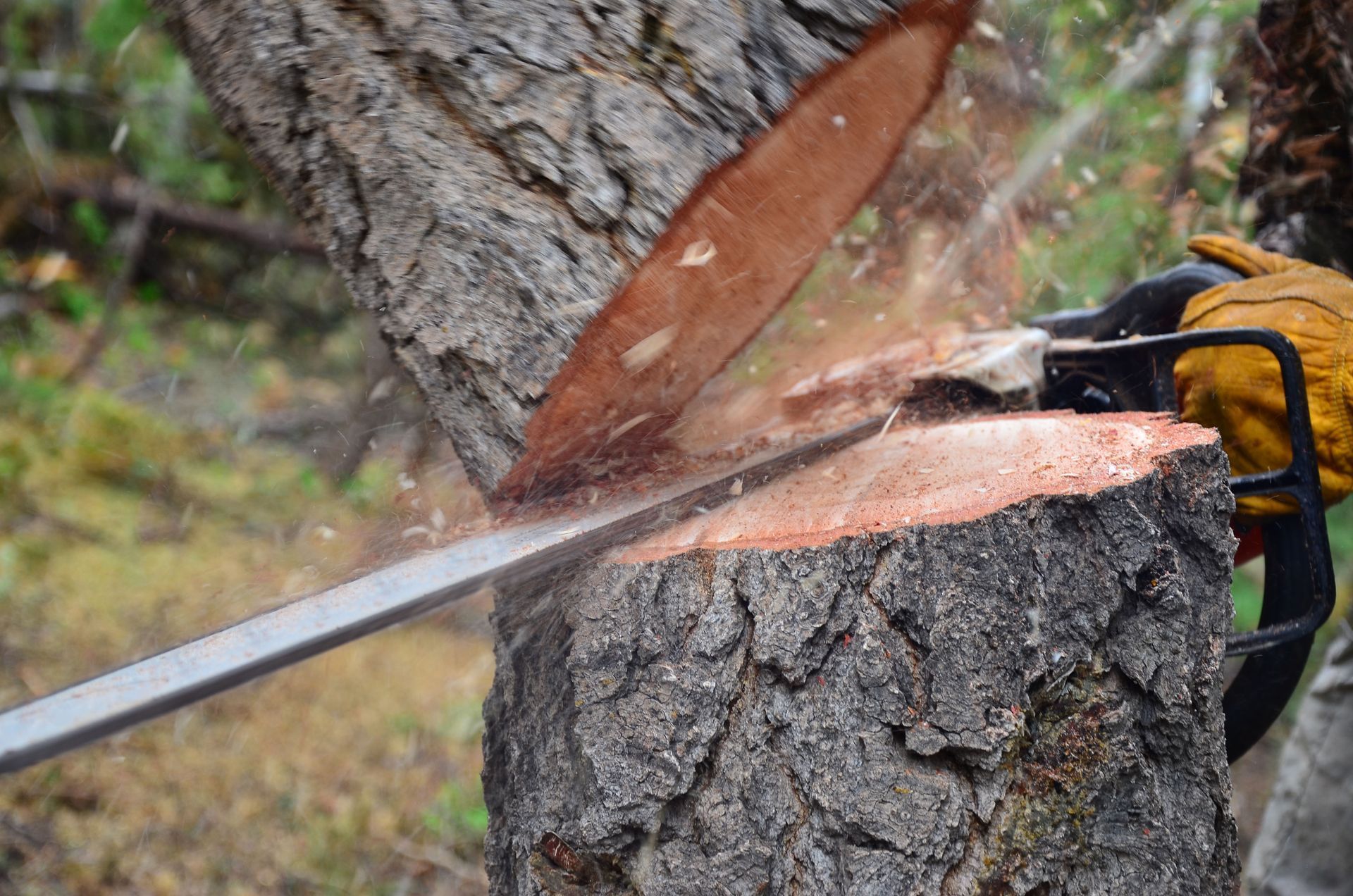
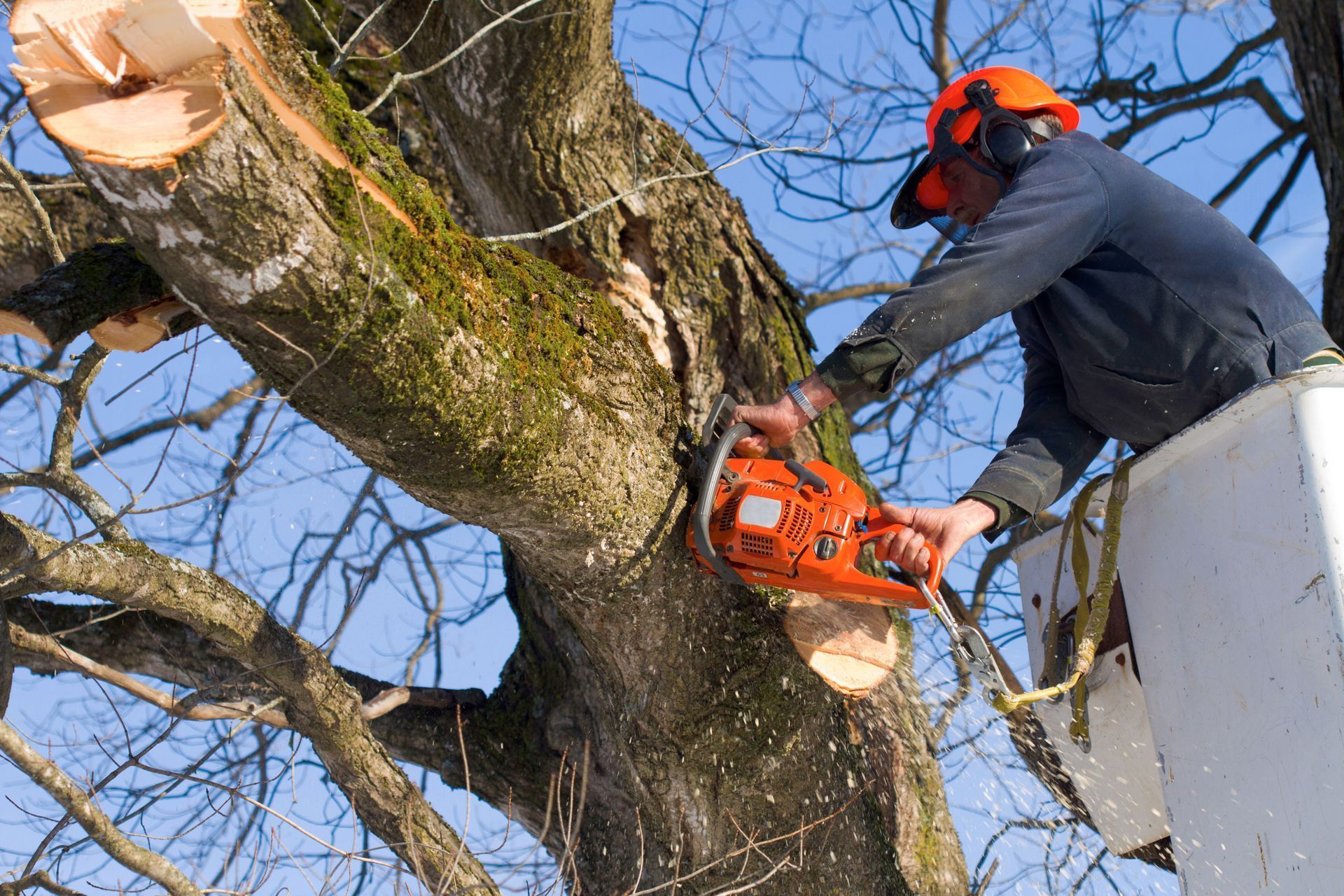
The actual process of tree removal combines experience, equipment, and careful planning. Professionals begin by securing the site and ensuring that all necessary safety measures are in place. Advanced tools such as chainsaws, ropes, cranes, and chippers allow the team to remove trees methodically, reducing the risk of accidents and damage. Large trees are often dismantled in sections, while smaller trees may be felled in a single controlled direction.
Throughout the process, arborists maintain constant awareness of the surroundings, ensuring that debris falls safely and that property is protected. The removal itself is guided by both technical expertise and years of practical experience, allowing the team to adapt to unexpected challenges. Efficiency is not just about speed; it’s about completing the work correctly and safely while preserving as much of the surrounding environment as possible. Proper execution reflects the value of hiring trained professionals for what can otherwise be a risky undertaking.
Managing Post-Removal Cleanup and Property Care
After the tree is removed, cleanup and property care are critical for restoring the landscape. Professional services handle the removal of branches, wood, and other debris, often offering environmentally responsible disposal options such as mulching or recycling. The remaining stump is addressed according to homeowner preferences, either through grinding, complete removal, or integration into the landscape design.
Beyond debris management, arborists provide recommendations for soil restoration, landscaping repairs, and replanting. These steps ensure that the property remains safe, functional, and visually appealing. Tree removal also creates opportunities for thoughtful landscape redesign, including new plantings or improved spacing for existing trees. Long-term guidance from professionals helps maintain healthy surrounding trees, prevent future issues, and optimize the overall aesthetics of the property. By investing in comprehensive post-removal care, homeowners protect both the short-term appearance and long-term value of their landscapes.
Professional tree removal services combine knowledge, precision, and safety to ensure that hazardous or unwanted trees are removed effectively. From evaluating tree health and assessing risk to executing removal and managing post-service restoration, every step is designed to protect property and maintain environmental balance. Homeowners can rely on experts to handle challenges, make informed recommendations, and preserve the beauty and safety of their landscapes. For trusted and professional tree removal services, contact Jaime's Tree Service Inc..